
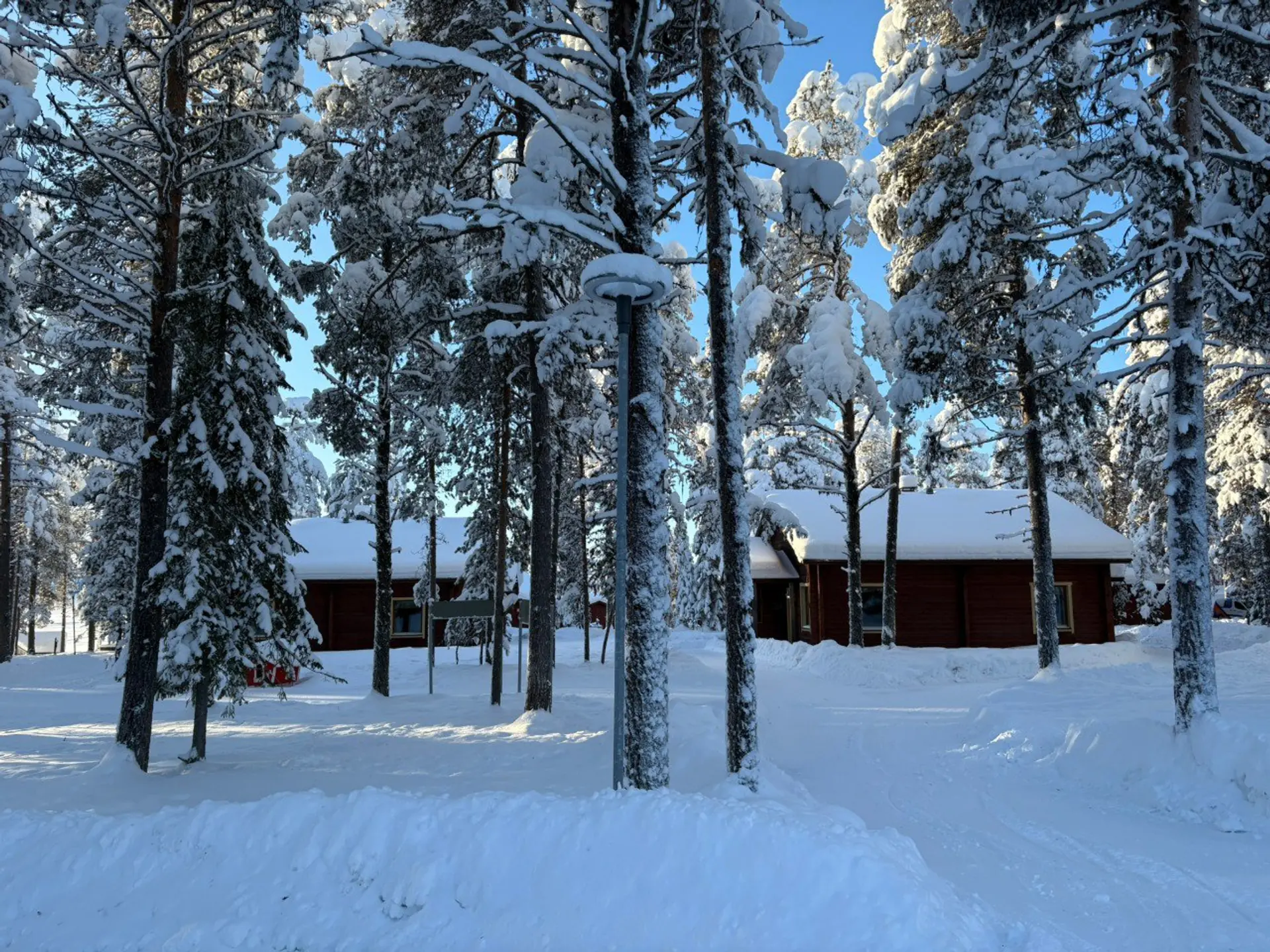
There is a particular temptation that arrives with a Lapland booking confirmation. The trip is short, it is a once in a childhood expense, and every hour feels like it ought to be filled: huskies, reindeer, snowmobiles, Santa, sledging, aurora hunting, all of it, every day. With young children, that instinct is the single most reliable way to end up with tears at the reindeer farm.
The families who come home glowing are almost always the ones who did less than they could have. This guide is about building the version of the trip that works with small children rather than against them: how many activities a day genuinely fit, how meals hold the day together, where rest goes, and why flexibility is not a compromise but the plan itself.
The one big thing a day rule
Professional guidance on Arctic family travel is unusually unanimous here: schedule one major activity per day with young children, not two or three. Tiredness in the cold is cumulative. A child who copes brilliantly with a packed Tuesday pays for it on Wednesday, and by the third overloaded day the magic is losing to the meltdowns. Rest between the big moments is what keeps the whole holiday enjoyable, which is why our own Lapland with toddlers guide puts the same rule at the centre of travelling with under fives.
Age changes the arithmetic. Babies and children under two typically manage an hour or two of active outdoor time before they need proper warmth and quiet. Three to five year olds, the classic Santa believing sweet spot, can usually handle four to five hours across a day if it is broken into pieces. School age children have more stamina, but even they run on excitement in Lapland, and excitement is a loan the body collects on later.
A day that already breathes: how the programme is shaped
The good news is that a well designed package has the pacing built in, so restraint does not mean missing out. Look at the shape of a typical day on our day by day itinerary: a morning activity such as the husky safari, lunch back at the resort, one afternoon activity such as the reindeer sleigh ride, then an evening that is deliberately unscheduled, left for dinner, the sauna, snow play or watching for the northern lights from the resort grounds.
That is two anchored activity slots with recovery either side, which for most families with young children is exactly the right load. The Arctic activities themselves also vary in intensity: a reindeer sleigh ride is calm, warm and rhythmic, while snowmobiling and husky sledding carry more sensory load, and alternating them matters as much as counting them.
Meals are the scaffolding, not the interruption
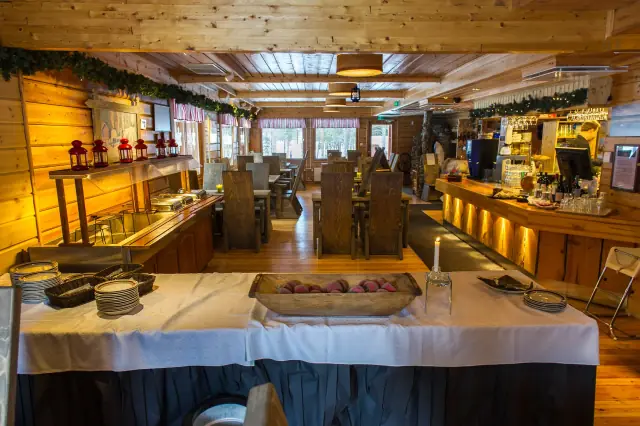
On a full board trip, breakfast, lunch and dinner are included and served at predictable times, and it is worth treating those mealtimes as the fixed posts the day hangs on. Small children run on routine, and in a week where everything else is new, three familiar anchor points do a surprising amount of emotional work. A proper sit down lunch in the warm also quietly doubles as the longest rest stop of the day.
Two practical notes from experienced Arctic hands. First, keep snacks in a zipped pocket on every outing: cold weather burns energy faster than children can narrate, and a five minute snack stop pre-empts most wobbles. Second, do not schedule anything tight against dinner. The gap between the afternoon activity and the evening meal is where wet kit gets dried, tired legs recover and the day gets talked about.
Cold weather has its own clock: short bursts, warm breaks
Paediatric winter play guidance is a useful anchor for parents who have never holidayed at minus fifteen. Children benefit from about an hour of physical activity a day, and in real cold it works best in intervals of roughly ten to twenty minutes for the youngest, with warm up breaks in between rather than one long exposure. Thermal suits and boots are provided, which transforms what children can comfortably do, but the rhythm still matters: outside, warm up, out again.
Build the warm up stops into how you picture each day. Fireside hot chocolate, a run back to the cabin, ten minutes in the restaurant thawing fingers: these are not lost holiday time, they are what makes the next hour outside possible. Watch small faces as you go, and if cheeks or noses show white waxy patches, head indoors straight away.
Downtime is an activity: naps, saunas and doing nothing in the snow
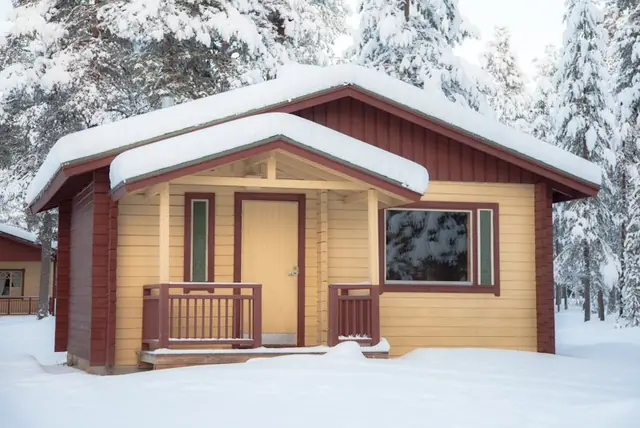
With under fives, protect the nap without building the day around it. The happiest discovery for many parents is that Lapland does naps for you: the sway of a reindeer sleigh is a famously reliable sedative, and a well wrapped toddler in a pulled sled will often drop off mid outing. A planned quiet hour back in the cabin after lunch does the same job for children who no longer nap, with books, drawing or a film while the adults have coffee.
Unstructured snow time is the other secret ingredient. Some of the best hours of the trip cost nothing and appear on no itinerary: digging, sledging by the cabin, making snow angels, feeding the fire. Children process the big experiences during the small ones, and a family sauna before dinner, a very Finnish form of rest, sends everyone to the table warm and mellow.
Weather will edit your plan: leave it room to
Every honest Lapland itinerary carries the same caveat: timings and running order can change with weather and daylight. Cold snaps shorten outdoor sessions, snowfall reshuffles mornings, and the final confirmed schedule arrives closer to departure. Families who treat the printed plan as a promise get frustrated; families who treat it as a well organised intention have a better week, because the flexing exists to give children the best conditions on the day.
The practical move is to leave slack in your own additions. If you are tempted to book optional extras, keep them to the slots the programme leaves free, and hold at least one completely empty stretch per day. When the Arctic does rearrange things, that slack is what absorbs the change without anything being lost. We have written separately about when Arctic weather changes your plan and how the reshuffle actually works.
Three nights or four: when the extra day earns its place
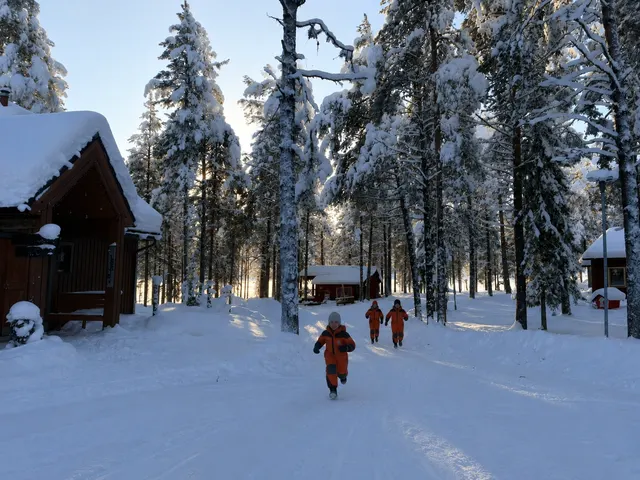
The four night trip includes the same core activity programme as the three night version, plus an extra day kept for downtime and optional extras. For families with young children that day is not a luxury add on; it is often the difference between a schedule that just about fits and one that breathes. It gives you a buffer for weather changes, an unhurried morning, and space for one more activity chosen at your children's pace rather than squeezed in.
If you are unsure which length suits your family, tell us the ages and how your children handle big days and we will give you a straight recommendation when you request a family quote. As a rule of thumb: confident school age children thrive on either, while under fives get the most from the gentler four night rhythm.
Pacing sounds like the boring part of planning a Lapland holiday. It is actually the part that decides how the story gets told afterwards. Plan one big thing a day, let meals anchor it, treat rest and snow play as real activities, and leave the weather room to move things, and the trip your children remember will be the one you hoped you were booking.
How many activities a day should we plan in Lapland with young children?
One major activity per day is the widely agreed rule for under sevens, and a well built package reflects it: typically one morning activity and one calmer afternoon slot, with lunch at the resort between them and a free evening. Children burn energy much faster in the cold, and tiredness accumulates across the trip, so restraint on day one protects the magic on day three.How long can small children stay outside in Arctic temperatures?
In short bursts rather than marathons. Paediatric winter guidance favours intervals of roughly ten to twenty minutes for the youngest children, with warm up breaks between, inside a day that still adds up to plenty of outdoor time. Provided thermal suits and boots extend what is comfortable, but regular warm stops, snacks and a check of little cheeks and noses for white patches remain the routine.Is the four night trip better than three nights with a toddler?
For most families with under fives, yes. It includes the same core activities as the three night trip plus an extra day for downtime and optional extras, which gives toddlers an unhurried morning, room for naps, and a buffer if weather moves things around. Confident older children do well on either length.What happens to our schedule if the weather turns?
Itineraries flex by design: activity times and running order can shift with the weather and the available daylight, and your final confirmed schedule is provided closer to departure. Keep your own additions loose, leave one empty stretch each day, and the reshuffles cost you nothing.Ready to Plan Your Lapland Adventure?
Family-first Lapland holidays at Torassieppi, Muonio — 3 and 4-night breaks from London Gatwick. Tell us about your family and we'll build your quote.
Send Enquiry