
Ask a group of parents about booking Lapland and you will hear the same two fears. Half worry they have left it too late and everything good has gone. The other half worry that committing eighteen months out, to the most expensive holiday they have ever considered, is reckless. Both fears come from the same place: nobody explains how availability and pricing in Lapland actually behave. This guide walks through the mechanics, so you can decide when to commit with a clear head rather than a countdown clock.
Why Lapland booking works differently from a summer holiday
A beach destination can absorb almost any level of demand, because there is always another hotel along the coast. Lapland is not built like that. The winter itself is long, which surprises people. According to the Finnish Meteorological Institute, winter usually begins in Lapland around mid October and lasts about 200 days, far longer than anywhere else in Finland. Snow is not the scarce resource. Seats and beds are.
Flights into Finnish Lapland run at a seasonal rhythm. Finavia, the company that operates Finland's airports, reported that Rovaniemi Airport alone would pass one million passengers in a single year, with direct scheduled routes concentrated for the winter season: around 46 direct destinations from Rovaniemi, 15 from Kittila and 9 from Ivalo, topped up by international charter flights that exist only in winter. That sounds like plenty until you remember that most of those seats are aimed at a handful of festive weeks. On the ground, family capacity is even tighter. Wilderness resorts are small by design, often a few dozen cabins rather than a thousand hotel rooms, and they cannot add an extra floor because December is popular.
Then there is the school calendar, which does most of the squeezing. Term dates are published by your local authority, and they pin family travel to a narrow window. To take one London borough's published 2026 dates as an example, autumn teaching runs to Friday 18 December, with the Christmas break from 21 December to 1 January. Every family who wants Santa before the big day, without taking children out of school, is chasing roughly the same two weeks. Fixed seats, fixed beds, and a whole market funnelled into a fortnight: that is the machine your booking date is negotiating with.
When December trips actually sell
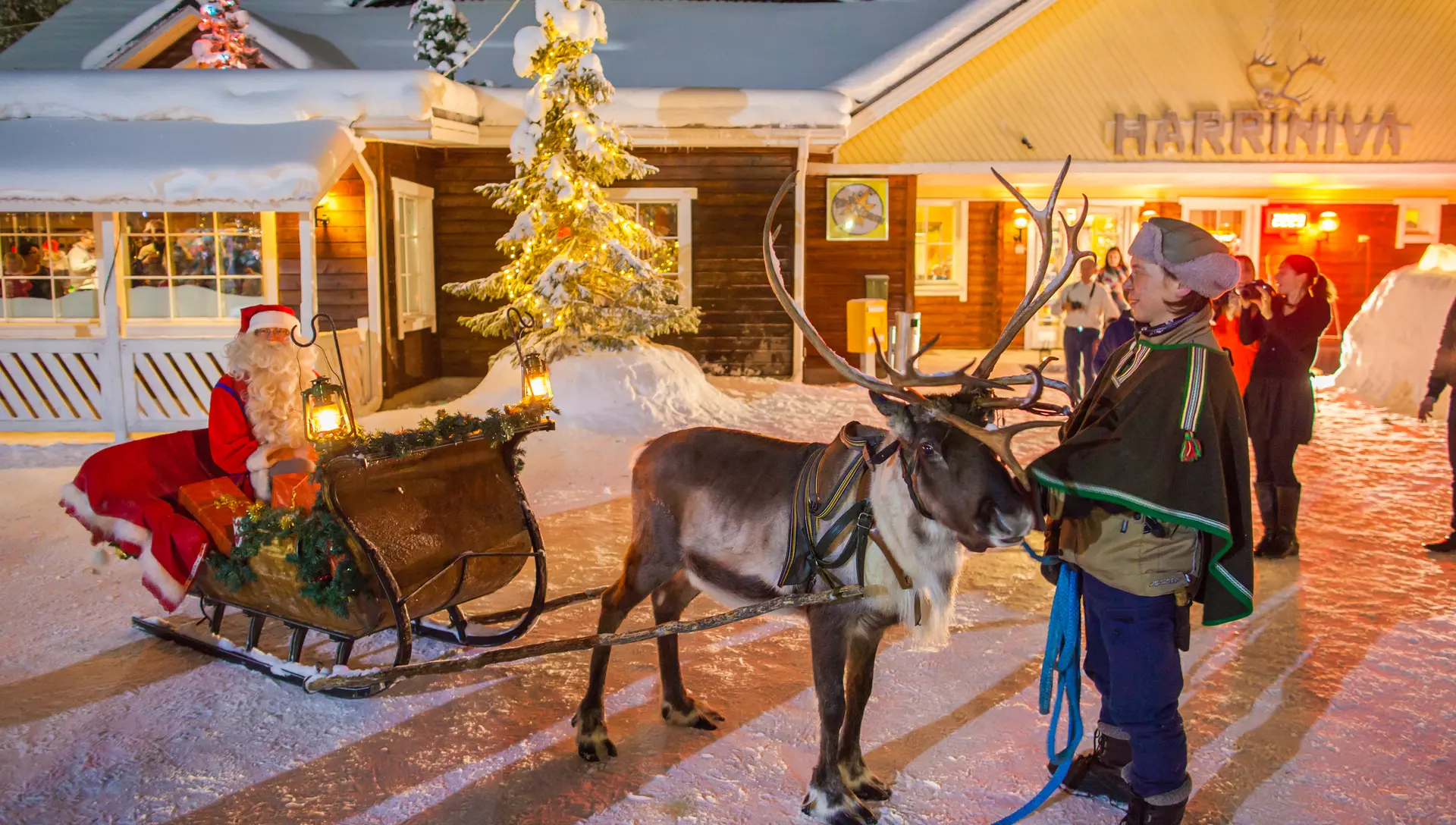
December weeks that line up with school holidays sell first, and they sell early. You can see the pattern in how the busiest hub behaves: one Rovaniemi based activity operator reports that December activity slots are often fully booked by September, and that Santa Claus Village runs at its busiest of the whole year in December, with early morning visits advised to beat the queues. Small wilderness resorts feel the same pressure in a different way. With only a limited number of family cabins, a popular departure week can be effectively gone the season before, taken by families rebooking and by those who committed the January after their research trip around the fireplace.
So the honest answer to "when should we book for December?" is: as soon as you are sure of your dates and your budget. For the most requested weeks, that often means booking in the winter or spring for the following December. If you start looking in the autumn for that same December, you are shopping the remainders: odd durations, less convenient flights, the cabin nobody chose first. It can still work, but you are compromising, not choosing. Certainty matters more than raw speed here. Before you enquire anywhere, agree the two or three facts that define your trip: the ages your children will be that winter, how fixed your week really is, and the one experience you would not forgive yourselves for missing. A family that can state those clearly books quickly and well; a family still debating them under time pressure makes the expensive kind of snap decision.
How pricing behaves as the season approaches
Lapland pricing is mostly about which week you want, not how early you click. The festive premium is real and documented: that same Rovaniemi source puts accommodation in the Christmas and New Year window at 50 to 100 percent above standard winter rates. The premium exists because demand for those dates outruns fixed supply, and it does not melt away as departure approaches. If you are hoping the classic late deal will appear on a school holiday December week, the arithmetic is against you: operators with a small number of family places on charter flights have little reason to discount seats that history says will sell.
Late gaps do appear, usually from cancellations, but they are unpredictable in date and shape. Treating them as a plan means being genuinely relaxed about not going at all. If you want to understand where the money actually goes, from flights to thermal kit to activities, read our honest guide to what a family Lapland holiday costs. This article is about when prices move; that one is about what they buy.
If your dates are flexible, you hold the cards
Everything above assumes you are locked to school holidays in December. Loosen any part of that and the picture relaxes. January to March offers the same deep snow, and by the Finnish Meteorological Institute's measurements the snow cover actually peaks around mid March at 60 to 90 centimetres, with winter running on for weeks beyond. Demand is gentler outside the festive fortnight, so availability lasts longer into the booking cycle and your choice of cabins and flights is wider. Trip length is a quieter lever too: a family able to consider three or four nights on either side of the peak dates will find combinations that a fixed one week, one date search never shows. A useful way to think about it is a simple two by two: fixed dates and fixed budget means book at the first sensible opportunity; fixed dates with budget headroom means book early and spend the wait choosing activities; flexible dates means you can afford to compare seasons properly before you commit.
Booking a long way ahead, safely
Committing a year out feels exposed, which is why the protection framework matters more here than for most holidays. A UK package holiday that includes a flight should come with an ATOL Certificate at the point of booking. ATOL is the Civil Aviation Authority's protection scheme, and its own guidance is worth knowing: if the company you booked with fails while you are abroad, the scheme helps you continue your trip where possible, reimburses money you spend replacing protected parts of it, and arranges flights home. Before you book with anyone, check they hold an ATOL and that your paperwork arrives when you pay.
The usual structure for booking ahead is a deposit at booking with the balance due some weeks before departure; your booking terms set out the exact schedule, so read them before you commit rather than after. Two small habits make long lead times safer still: arrange travel insurance from the day you book, so cancellation cover starts immediately rather than when you fly, and diarise the balance date next to the school term dates you booked around.
How this works for a small wilderness resort
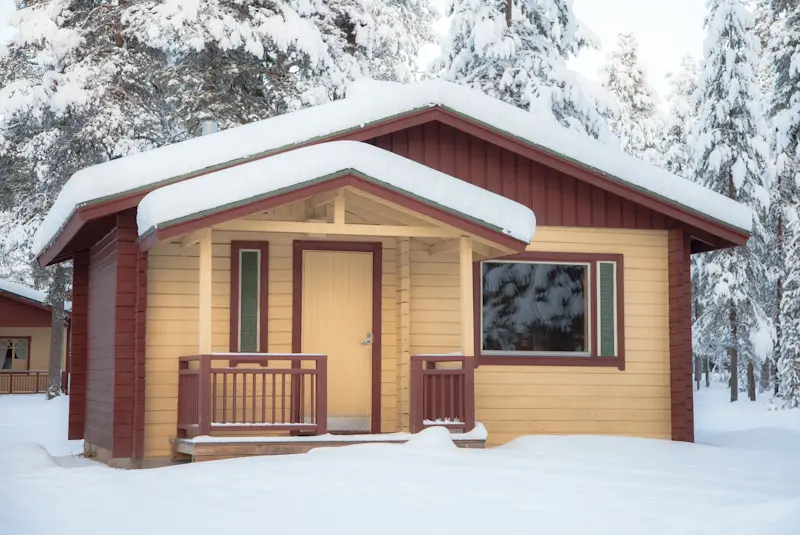
Our own trips are built around a small resort rather than a big hotel corridor, so the capacity story above is not an abstraction to us; when a season's family cabins are allocated, they are gone. We keep the commercial side simple and in two places. Our pricing guide explains how packages are structured and what is included, and the fastest way to check dates for your family is to request a quote with your preferred weeks and ages. If you are already looking beyond the coming winter, our Lapland holidays for 2027 page covers the following season, and you can browse the shape of our family Lapland holidays at any time.
The short version, for the fridge door:
- Decide early whether you are fixed to December school holiday dates. That single fact drives everything.
- Fixed December dates: book as soon as you are certain. The best weeks thin out the season before, and activity capacity in the busiest areas can be gone by September.
- Flexible dates: January to March gives you the same snow, deeper cover by March, and far more choice for a given booking date.
- Expect the festive fortnight to carry a documented premium, and do not build your plan around a late deal appearing.
- Book ATOL protected, insure from the day you book, and diarise your balance date.
How far ahead should we book a December Lapland trip?
As soon as your dates and budget are certain. Demand for school holiday December weeks outruns fixed flight and cabin capacity, and in the busiest areas December activity slots are often fully booked by September. Families with a specific week in mind commonly book in the winter or spring for the following December.Do last minute Lapland deals exist?
Rarely for school holiday December departures. Family capacity is small and predictable demand means operators have little reason to discount those weeks, so late availability is usually a cancellation with awkward dates. If your dates are flexible, especially January to March, you will find far more choice without relying on luck.Is it cheaper to go after Christmas?
The Christmas and New Year window carries a documented premium, reported at 50 to 100 percent above standard winter rates in the Rovaniemi area, so the weeks either side of it are usually gentler on the budget. Snow is not the issue: the Finnish Meteorological Institute measures the deepest snow cover of the season around mid March.Is our money safe if we book a package a year ahead?
Book a flight inclusive package with an ATOL holder and you should receive an ATOL Certificate when you pay. Under the Civil Aviation Authority's scheme, if the company fails the scheme helps you continue your trip, reimburses protected costs, and arranges flights home. Add travel insurance from the day you book for cover the scheme does not provide.Ready to Plan Your Lapland Adventure?
Family-first Lapland holidays at Torassieppi, Muonio — 3 and 4-night breaks from London Gatwick. Tell us about your family and we'll build your quote.
Send Enquiry