
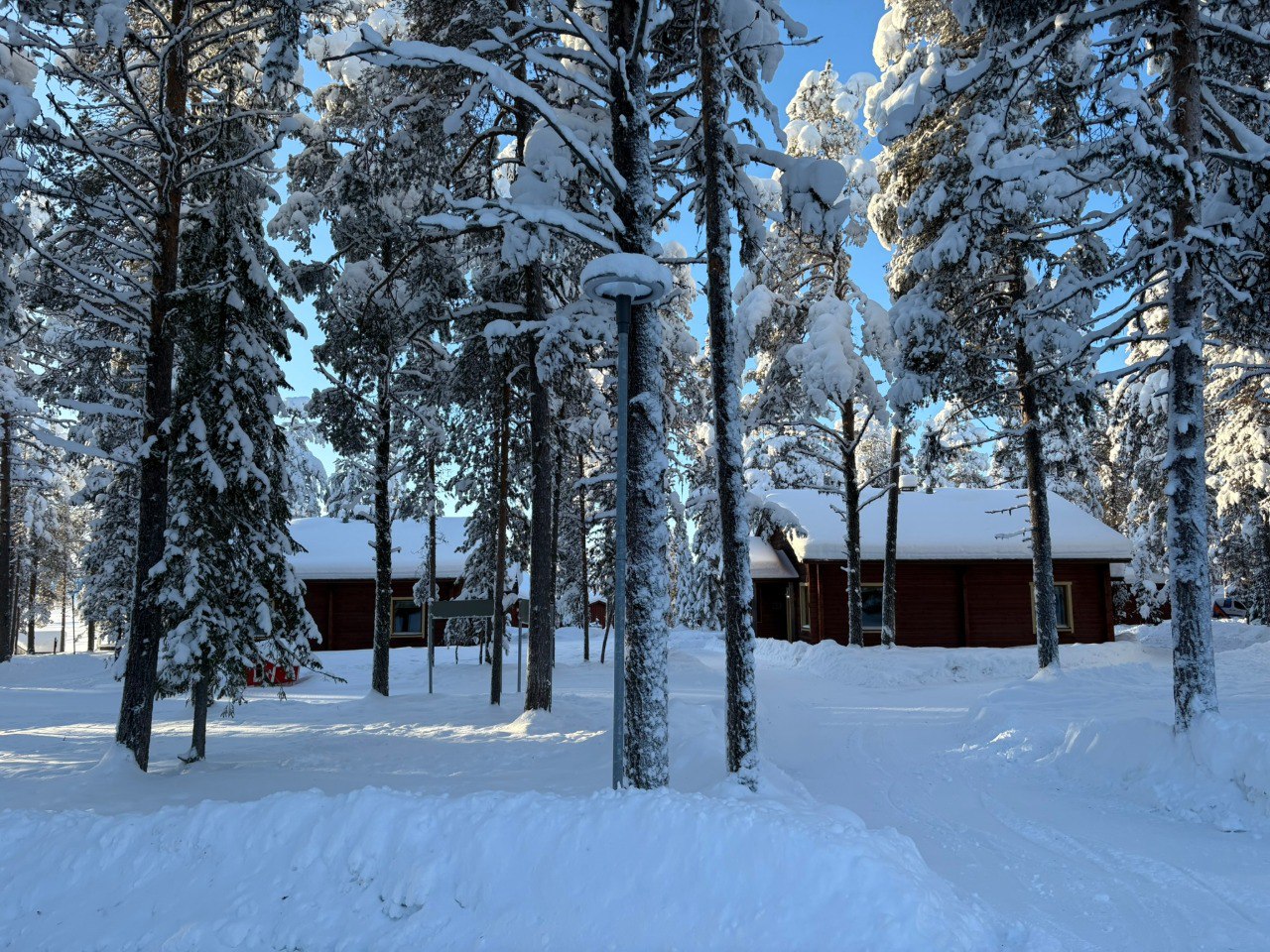
Packing for a Lapland holiday is unlike any other trip. In a destination where temperatures regularly sit between -10°C and -30°C, your clothing isn't just a fashion choice—it's survival equipment.
Whether you are travelling with TUI, Canterbury Travel, or Santa's Lapland, most operators provide outer thermal suits. However, those suits are only as effective as the layers underneath. Having spent years advising families on Arctic travel, we've learned that the difference between a magical Northern Lights hunt and a tearful "cold-weather meltdown" comes down to three things: Material, Moisture, and Management.
❄️ At a Glance: The 5 Things You Cannot Forget
- Merino Wool Base Layers: Cotton is the enemy; wool stays warm even if damp.
- Water-Free Barrier Cream: Standard moisturisers freeze on the skin. Use Weleda Weather Protection.
- High-Capacity Power Bank: Lithium batteries die in minutes in the cold.
- Silk Liner Gloves: To take photos without exposing skin to the sub-zero air.
- "Wiggle Room" Boots: Tight boots lead to cold feet; always size up.
The Three-Layer System: Your Survival Blueprint
Arctic dressing is about trapping air. Three thin layers will always be warmer than one thick one.
Layer 1: The Base (Moisture Management)
This layer sits against the skin. Its only job is to wick sweat away. If you wear cotton and break a sweat while husky sledding, that moisture will freeze, dropping your core temperature instantly.
- The Material: 100% Merino Wool (highly recommended) or Thermal Polyester.
- Top Picks: Brands like Icebreaker, Smartwool, or REI Co-op.
- The Kit: 2x Long-sleeve tops, 2x Thermal leggings per person.
Layer 2: The Mid (The Radiator)
This layer traps your body heat.
- The Material: Polar fleece (200gsm+) or a lightweight "down" puffer jacket.
- Expert Tip for Kids: Look for a mid-layer with a high zip-neck. This protects the carotid arteries in the neck, keeping warm blood flowing to the brain and extremities.
Layer 3: The Outer (Weather Protection)
While your tour operator provides a jumpsuit, you need your own gear for travel days and evening walks to dinner.
- The Kit: A standard waterproof ski jacket and insulated salopettes (ski trousers).
- What to avoid: Heavy fashion wool coats—they become stiff and heavy in the frost.
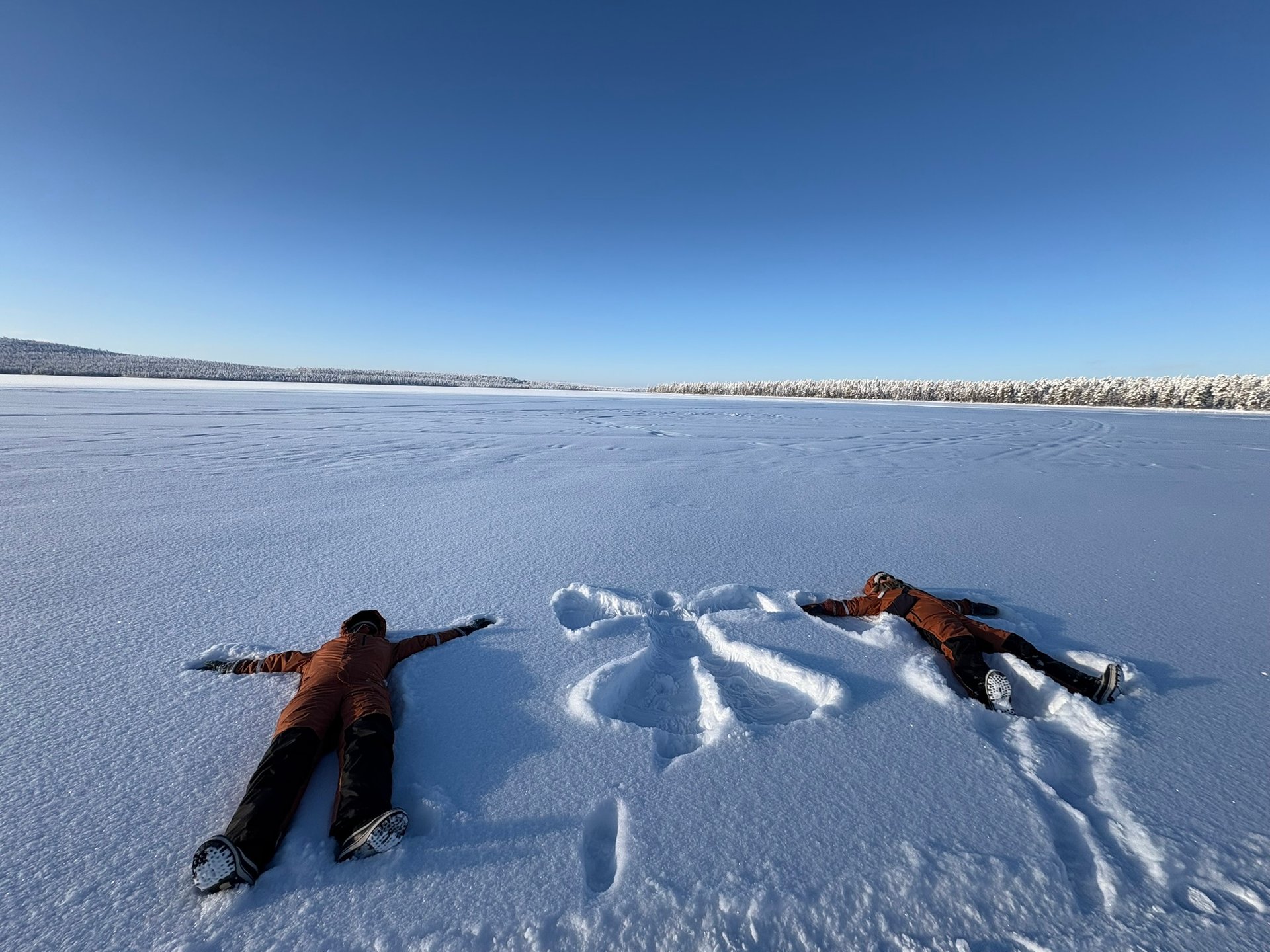
Correct layering turns the Arctic cold from a threat into an adventure
Best Boots for Lapland: The "Wiggle Room" Rule
Tour operators provide "Arctic Boots," but they are often too clunky for kids to wear around the hotel or for dinner.
- The Evening Boot: Bring boots rated to -20°C. Brands like Sorel (Caribou model), Kamik, or Moon Boots are the gold standard.
- The Sock Secret: Wear a thin silk or thin wool liner sock under one pair of thick wool-blend socks.
- The Golden Rule: Ensure boots are one size larger than your usual fit. If your toes are cramped, there is no air to circulate, and your feet will freeze. If you can't wiggle your toes, you'll get cold.
Arctic Skincare: The "No-Water" Rule
Most moisturisers and sunscreens are water-based. In -25°C, that water can freeze inside your pores, leading to frost-nip.
- The Fix: Use a water-free barrier cream like Weleda Weather Protection Cream or Bepanthen. Apply it 30 minutes before heading out.
- The "No-Wash" Rule: Do not wash your face on the morning of an outdoor activity. Your skin's natural oils are your best defence against the "Arctic bite."
- Lip Care: Use a beeswax-based lip balm. Avoid "glossy" balms which can cause lips to crack in the dry air.
Tech Survival: The Ziploc Trick
- The Ziploc Trick: When moving from -20°C outside to a +20°C hotel room, condensation forms inside your phone lens. Place your tech in a sealed Ziploc bag before coming inside. The condensation forms on the bag, not your electronics.
- Hand Warmers: Buy a bulk pack of "Little Hotties." Slip them into your children's mittens 10 minutes before heading out—don't wait until they are already cold.
Power Tip: Lithium batteries die in minutes in sub-zero air. Always keep your phone in an inside breast pocket against your body heat—not in an outer coat pocket.
Lapland with Toddlers & Meeting Santa
What to wear for the "Big Meeting"?
When meeting Santa, you want the photos to look magical, but your child will likely be standing in a snowy queue.
- The Outfit: Dress them in their Merino layers + a cute festive jumper (wool). Keep the thermal suit on until the very last second before the photo.
- The "Plus One" Rule: Children move less than adults (especially if sitting in a sledge). They should always have one more layer than you.
The Bathroom Struggle
It takes roughly 15 minutes to de-layer a child for a bathroom break. Enforce a "mandatory go" policy before the thermal suits go on. For toddlers, consider a one-piece base layer with a drop-seat.
What NOT to Pack
- ❌ Denim Jeans: They absorb moisture and turn into "leg-shaped refrigerators."
- ❌ Cotton Socks: They trap sweat and cause chills.
- ❌ Umbrellas: Completely useless in Arctic winds.
- ❌ Fancy Clothing: Lapland is extremely casual. Even in 5-star lodges, fleeces and thermal leggings are the standard uniform.
Frequently Asked Questions
Do I really need to buy expensive Merino wool?
While synthetic thermals work, Merino wool is naturally odour-resistant and provides the best warmth-to-weight ratio. For a once-in-a-lifetime trip, it is the best investment you can make.
Will my iPhone battery survive?
Only if kept against your body. Store your phone in an internal breast pocket so it benefits from your body heat. If you keep it in an outer pocket, it will likely shut down within 10 minutes.
What kind of bag should I pack?
Use a soft-shell duffel bag with wheels. Hard-shell suitcases can become brittle and crack in extreme sub-zero temperatures.
Ready to Plan Your Arctic Adventure?
Now that you're packed for Lapland, let us handle the rest. We'll match your family to safety-vetted tours, cosy cabins, and stress-free itineraries.
Explore Our Lapland Packages