

Lapland asks a child to take in a great deal of new at once: unfamiliar clothing, a plane, snow underfoot, huskies in full voice, darkness at teatime and a bedroom that is not theirs. For most children that is the adventure. For a child with sensory sensitivities, autism or a tendency towards anxiety, it can sound like a lot, and plenty of parents quietly wonder whether the trip they are dreaming of would actually be enjoyable for the child they know.
The encouraging truth is that preparation changes the picture enormously, and that Lapland has some quietly helpful qualities that busy city breaks lack. This guide gathers the practical preparation that families and autism organisations consistently recommend: previewing, pacing, clothing choices and protecting routines. It is parent-to-parent planning guidance rather than clinical advice; you know your child best, and your own specialists remain the right source for individual strategies.
Why Lapland Is Both a Challenge and a Surprisingly Good Fit
Name the challenges honestly first. Winter clothing is bulky and unfamiliar. Cold air on the face is a new sensation, and snow has textures a child may never have touched. Husky dogs bark with real enthusiasm before a safari sets off, snowmobiles are loud by design, and mealtimes happen in a shared restaurant with new food, new smells and other families. Add an early flight and a changed sleep routine, and you can see why preparation matters.
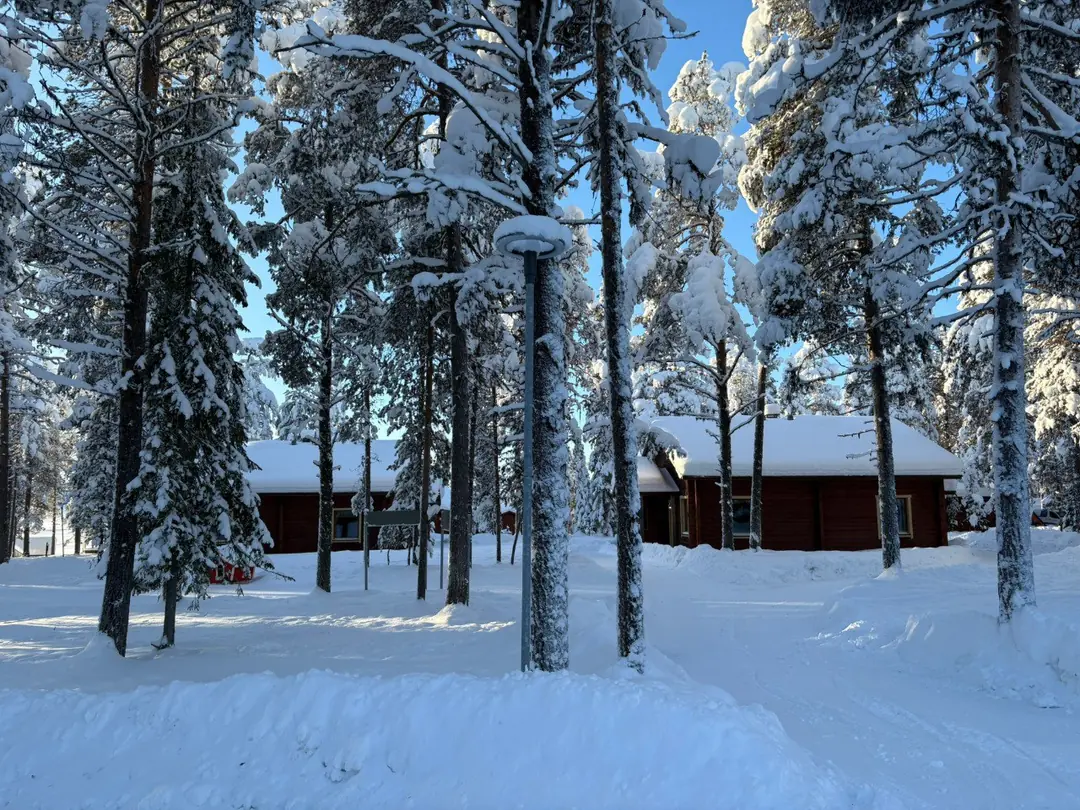
Now the other side. A small Lapland resort is a compact, repetitive world, and repetition is a friend. The same short walk to the same restaurant, the same guides, the same cabin every night. Guided activities run in small groups to a predictable schedule, usually two sessions a day of about two hours each with proper gaps between. Distances are short, the wilderness is genuinely quiet, and your cabin sits a short walk from everything, which means a calm, private retreat is always available. Compared with a theme park or a city break, the sensory environment is remarkably controllable.
Preview the Trip Until It Feels Familiar
Predictability is the single most useful thing you can pack, and it costs nothing. The National Autistic Society's holiday guidance puts previewing at the centre: look at pictures, videos and maps of the places you are going, build a simple day-by-day schedule, and use a countdown so the trip never arrives as a surprise. Lapland lends itself to this beautifully because the shape of each day is known in advance.
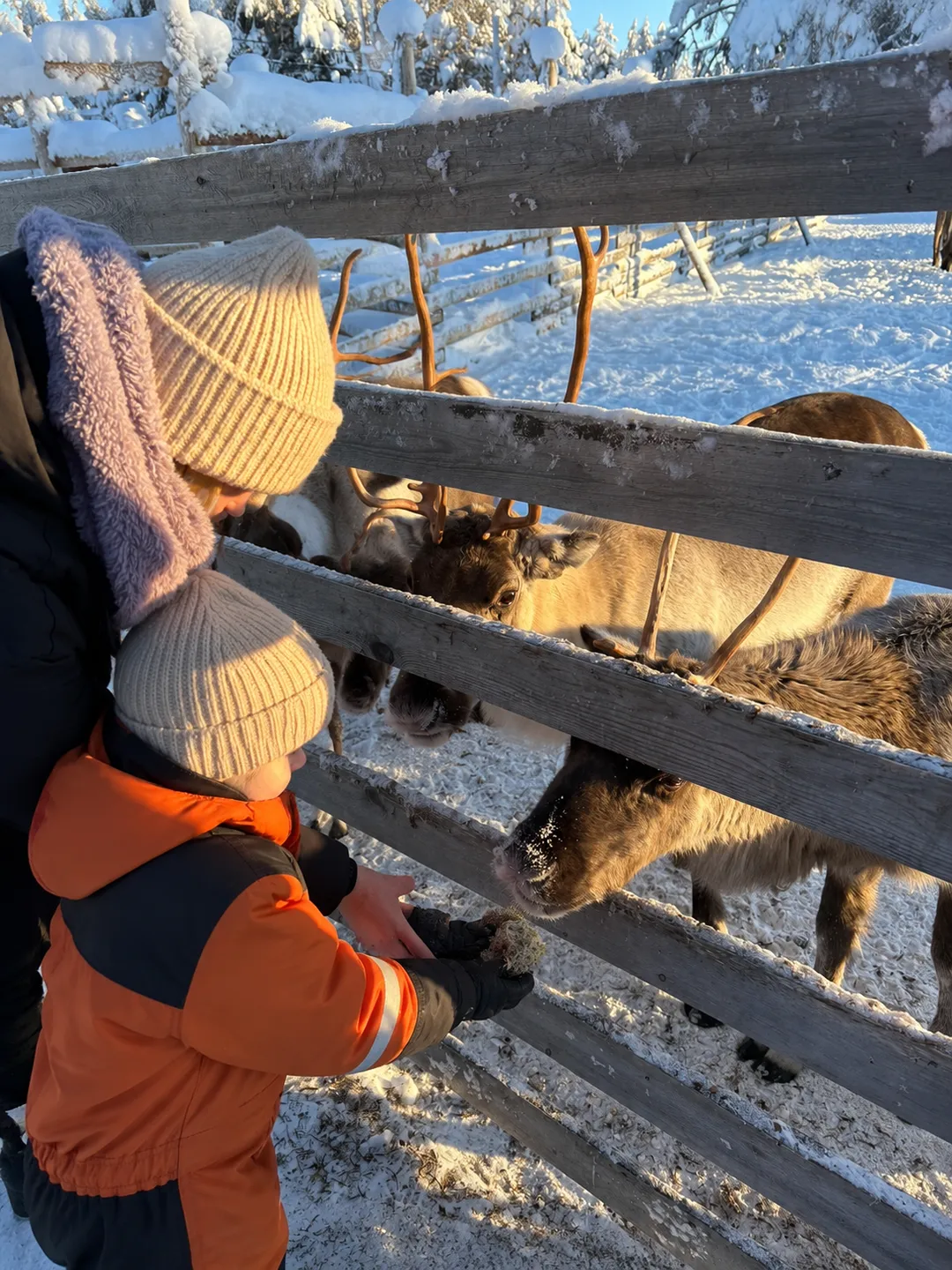
Sit down together with our photo gallery and the day-by-day itinerary and walk through the trip in order: this is the plane, this is the cabin, this is where we eat breakfast, this is the husky farm. Watch short videos of husky rides and snowmobiles at home with the volume low, then a little louder, so the sounds are met first in the living room rather than in the snow. Some families write the trip up as a simple story with one page per day; others laminate a picture schedule the child can carry. Do whatever version of familiar works for your child, and leave visible room in the plan for rest.

At the Airport: Ask for the Support That Exists
UK airports, airlines and other service providers have a legal duty to make reasonable adjustments for disabled travellers, and crucially you do not have to prove anything to ask. Explain briefly what would help, in the National Autistic Society's suggested style: my child is autistic and needs a quieter place to wait. Special assistance can be booked through your airline in advance and covers the journey through the airport, security and boarding. Many UK airports, including Gatwick, also recognise the Hidden Disabilities Sunflower lanyard, a quiet signal to trained staff that a traveller may need patience or extra time without a conversation about why.
Beyond the formal schemes, rehearse the sequence. Talk through check-in, the security tray, the scanner arch and the wait at the gate before you go, in the same order they will happen. Arrive with generous time so nothing needs to be rushed, and keep a small sensory kit in hand luggage: ear defenders or headphones, sunglasses for bright terminal lighting, a favourite fidget or comfort object and familiar snacks. The flight to Lapland is around three hours from London, short enough for a well-stocked tablet and a snack routine to carry the day.
Make Winter Clothing a Non-Event
Heavy, unfamiliar clothing is one of winter's classic sensory flashpoints, so take it off the critical path early. The good news: thermal outer suits and boots are provided on our holidays, which removes the shopping trip and means the specialist kit simply appears in the right size. Read our guide to packing when thermal suits are provided for what that leaves you to bring.
Underneath the suit, familiarity wins. Pack the soft base layers your child already likes, washed and worn in advance, with any scratchy labels dealt with, and let them wear their own trusted socks under the supplied boots. Practise the layered feeling at home in short, relaxed sessions a few weeks ahead, zipping into a big coat and gloves for ten minutes of play, then building up. Let your child choose between gloves and mittens, and between a hat and a hood; small choices restore a sense of control. On frosty mornings before the trip, step outside together so cold air on the face is met gradually. Once in Lapland, start gently: unhurried snow play right outside the cabin on arrival day is a better first exposure than a full activity morning.
Protect Routines, Meals and Quiet Time
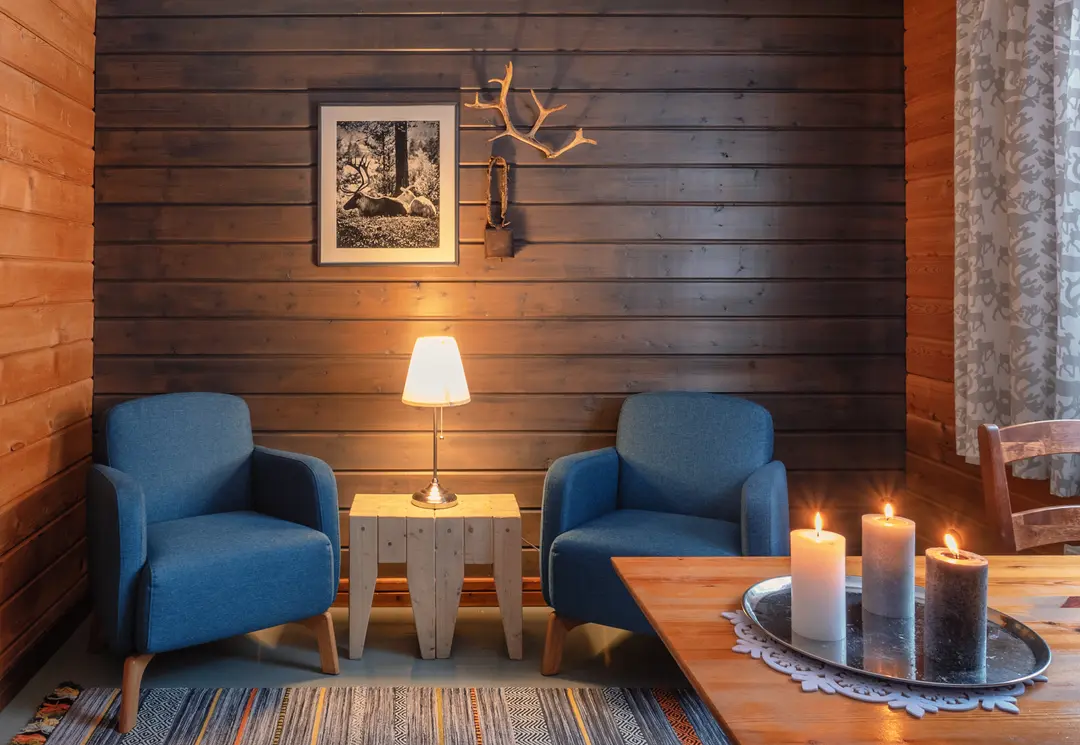
Holidays wobble when everything changes at once, so deliberately keep some anchors fixed. Hold on to bedtime rituals, the usual wake-up rhythm and familiar mealtime habits wherever you can. Bring elements of home that carry comfort: a pillowcase that smells right, the usual bedtime book, a small supply of guaranteed-accepted snacks for moments when the buffet offers too much new at once. Restaurant staff are used to families and children; asking for a quieter corner table at the same time each evening is a perfectly normal request.
Then protect the gaps. The natural rhythm here is two short guided activities a day with real space between them, and the cabin is always close. Plan a quiet block after each activity as a fixed part of the day rather than a fallback, and give unscheduled time a light structure of its own, since a completely empty afternoon can be harder than a gently planned one. Agree a private signal your child can use when they need to leave a group moment, and decide in advance which parent peels off while the other stays with siblings. Knowing the exit exists often means it is never needed.
Plan for Wobbles Without Fear
Build flexibility into your expectations as deliberately as you build the schedule. Arctic weather sometimes reshuffles an activity, so pre-agree the language for changes: we always said plan B might happen, and here it is. Our guide to when weather changes your activity plan shows how the resort handles those days. A difficult moment on holiday is not a failure, and this is where Lapland is kind: the calm of your own cabin is a short walk away, not a train ride across a city.
Finally, tell us what would help before you travel. If your child does best at the front of the group or the back, needs to watch one husky team leave before approaching another, or simply needs staff to know that patience may be required, say so when you request a quote or in the run-up to travel. Guides who know in advance can quietly arrange positions, timings and a little extra space, and the difference that makes is enormous. Browse the Lapland activities together, choose what genuinely appeals to your child, and build the trip around them rather than around a brochure ideal.
Sensory Needs and Anxiety in Lapland: Your Questions Answered
Will a Lapland holiday be too overwhelming for a child with sensory sensitivities?
It depends on the child and the preparation, but many families find a small resort trip more manageable than a city break. Days follow a predictable schedule, groups are small, distances are short and a quiet cabin is always close by. Previewing the trip with photos and videos, pacing the days and protecting rest time make the difference.What help can we ask for at the airport?
Book special assistance through your airline in advance; it covers the journey through security and boarding, and quieter waiting areas are often available. Many UK airports, including Gatwick, recognise the Hidden Disabilities Sunflower lanyard. You do not need to prove a diagnosis; simply explain what would help your child travel comfortably.What should go in a sensory kit for Lapland?
Ear defenders or noise-reducing headphones, sunglasses, a favourite fidget or comfort object, familiar snacks, and something that carries the feel of home such as a pillowcase or bedtime book. Keep the kit in hand luggage so it is available on the plane and transfer, not packed in the hold.Should we tell the holiday company about our child's needs?
Yes, before you travel. When guides know that a child may need a quieter position, extra time or a gentler introduction to the animals, they can arrange it discreetly. Early notice turns accommodations into normal planning rather than day-of improvisation.Ready to Plan Your Lapland Adventure?
Family-first Lapland holidays at Torassieppi, Muonio — 3 and 4-night breaks from London Gatwick. Tell us about your family and we'll build your quote.
Send Enquiry