Few trips light up a child's imagination like Lapland: snow, huskies, reindeer and, for many families, Father Christmas himself. If your child has a food allergy, though, the planning list grows. Menus arrive in Finnish, hotel meals are often buffets, and activity days can put you a snowmobile ride from the nearest shop. The reassuring part is that Finland has a strong reputation among travellers who manage food allergies, and families who prepare early and communicate clearly tend to find mealtimes far calmer than they feared.
One thing before we start: this guide is general travel information, not medical advice. Your child's clinician and their written allergy plan always come first. Build the holiday around that plan, follow it throughout the trip, and take anything you are unsure about back to your allergy team before you travel.
Start With the Allergy Plan, Not the Brochure
Before you get deep into researching your first family Lapland holiday, talk to the people who manage your child's allergy, whether that is your GP, an allergist or a specialist allergy nurse. Travel-health guidance for people with food allergies is consistent on this point: discuss the destination, the dates and how meals will be arranged each day, and do it well before anything is booked.
Three things are worth settling in that conversation:
- The written allergy plan. Ask your clinician to review it for the trip, then pack copies alongside the medication it refers to.
- Prescriptions. Order repeats in good time so everything is in date, and carry all prescribed medication, including any adrenaline auto-injectors, in hand luggage rather than the hold.
- Day-to-day handling. Agree who carries the medication, where it sits during flights and excursions, and what the plan says should happen if a reaction occurs abroad.
Allergy organisations are blunt about the core rule: be prepared for a severe reaction at all times. In practice that means the medication and the plan travel with your child everywhere, from the departure gate to the last husky ride.
Tell Everyone Early and Put It in Writing
The single most useful thing you can control is timing. Mention the allergy when you first enquire, not at check-in. Travellers with food allergies consistently report that meals go far more smoothly when a kitchen has notice, because the people cooking have had time to think through what they can and cannot offer before anyone sits down.
Speak directly with your accommodation and with every activity provider whose day includes food. A line typed into a booking form does not always reach the person at the stove, so make the conversation explicit:
- Email the details of each allergy in writing: the allergen, how severe reactions have been, and whether traces matter under your child's plan.
- Ask for a written reply describing how they will handle it, rather than settling for a general reassurance.
- Re-confirm a week or so before you fly, then again in person on arrival, and ask to speak to whoever runs the kitchen rather than only the front desk.
If you are still comparing options and want to understand how mealtimes and excursion food are arranged before you commit to anything, get in touch and ask the questions that matter for your child.
Understanding Food Labels in Finland
Finland follows the EU's food-information rules, which is helpful news for UK parents because the system mirrors the one you already use at home. Fourteen major allergens must be declared on packaged food, emphasised within the ingredients list in bold, italics or capital letters, and precautionary statements such as 'may contain' appear on many packets. If anything on a label is unclear, the standard advice is to contact the manufacturer before anyone eats.
The fourteen declared allergens are cereals containing gluten, milk, eggs, fish, crustaceans, molluscs, peanuts, tree nuts, soya, sesame, celery, mustard, lupin and sulphites. Finland is also widely noted for its coeliac awareness, so gluten-free provision in shops and hotel dining rooms is often strong.
Two habits keep the system working in your favour. First, verify every ingredient before your child eats, every single time, even on products you recognise from British shelves, because the same brand can be made to a different recipe in a different country. Second, remember that ingredient lists are generally printed in Finnish and Swedish, so carry translated allergy cards in English and Finnish and keep a translation app to hand for anything ambiguous.
Eating Out: Buffets and Talking to the Kitchen
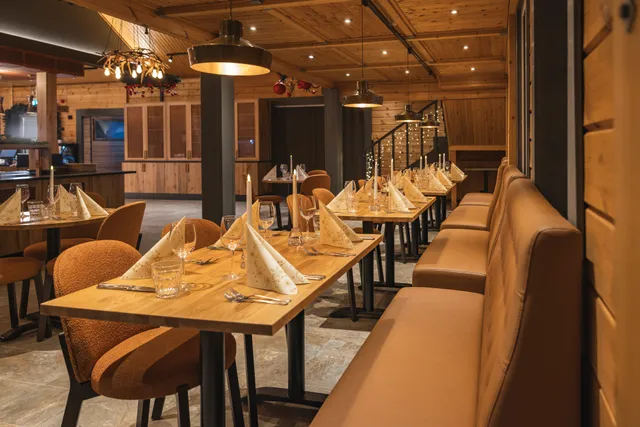
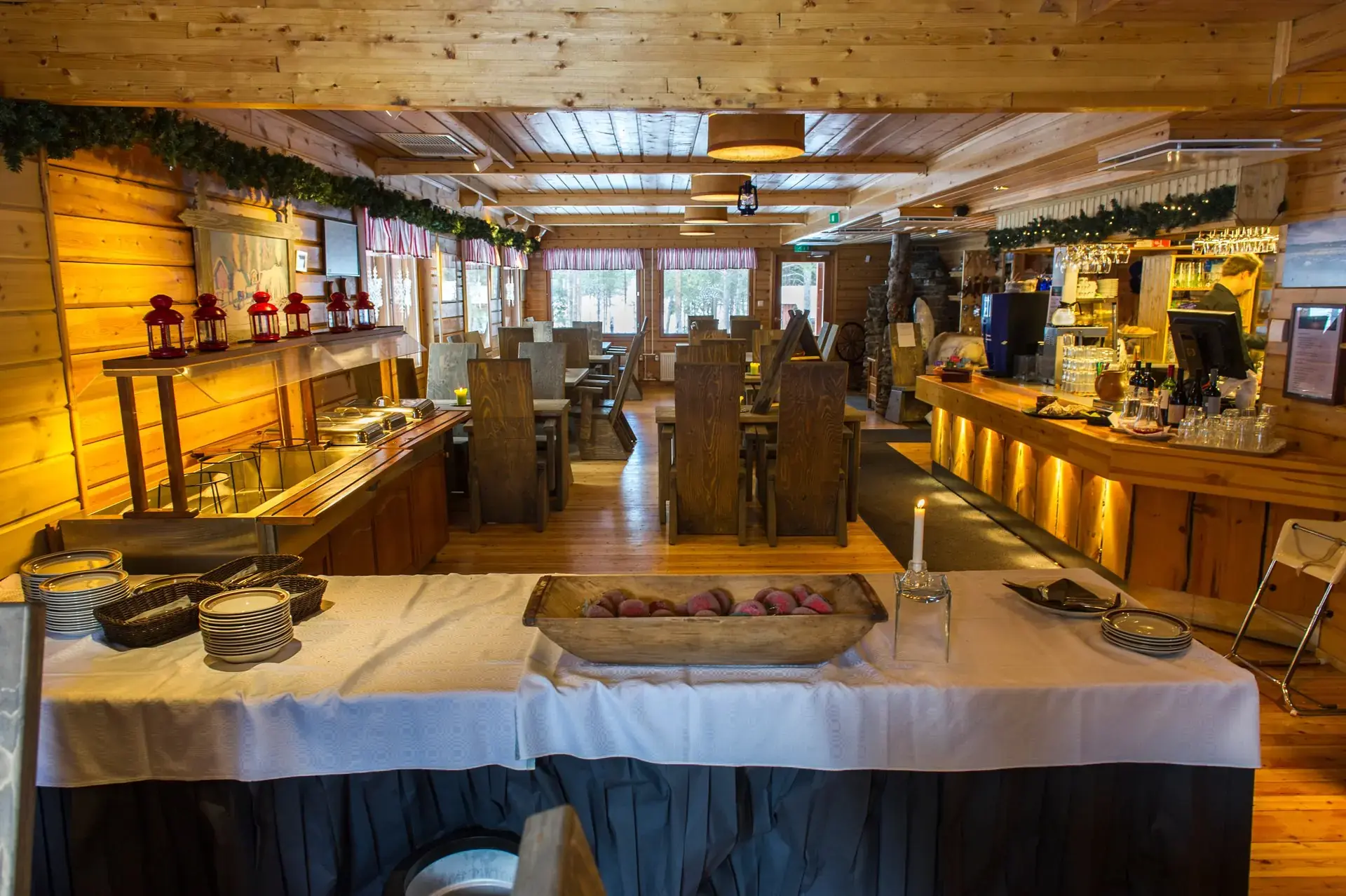
Lapland resort holidays usually mean set mealtimes in a hotel or resort restaurant, often as a buffet. Buffets are a gift with hungry, tired children, but they ask for extra care with allergies: dishes sit side by side, serving spoons wander between them, and cross-contact is a real possibility even when a single dish looks fine on paper.
The approach that works is a direct conversation at every meal:
- Ask exactly what is in a dish and how it is prepared, not simply whether it contains the allergen.
- Ask about cross-contact in the kitchen itself: shared fryers, shared surfaces, and whether nuts or flour are used nearby.
- Hand over a translated allergy card so the kitchen holds your child's details in writing, in Finnish and in English.
Be ready for an honest no. In one detailed account of travelling in Finland with multiple food allergies, a hotel chef cooked eggs separately for the guest at breakfast but explained that nut cross-contact risks in his kitchen meant he was not comfortable preparing anything further from that buffet. A kitchen that declines a dish is giving you accurate information. Treat caution as a good sign and choose from what the team can confidently manage instead.
Snacks, Supermarkets and Having Your Own Space
Pack a generous supply of the snacks your child already eats at home, enough for the flights, the transfers and every excursion day. Experienced allergy travellers tend to pack more than they expect to need and come home with plenty spare, which is exactly the right way round.
Finnish supermarkets are well stocked and carry many of the European brands you will recognise, alongside a broad free-from range. The caution is the same as at home, only firmer: read the full ingredients list on every item, every time, because a familiar product can be manufactured differently abroad. If a label defeats you and no one can translate it, put the product back rather than guessing.
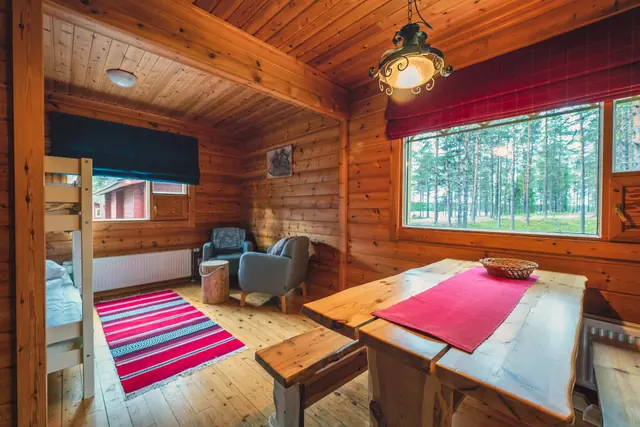
Where you stay shapes how easy all of this feels. Cabin-style stays give a family living space of its own for storing snacks and serving a familiar start to slow mornings. You can compare set-ups on our accommodation in Lapland page, then ask each option directly about food storage and how its kitchen handles allergies.
Activity Days: Meals, Medication and the Cold
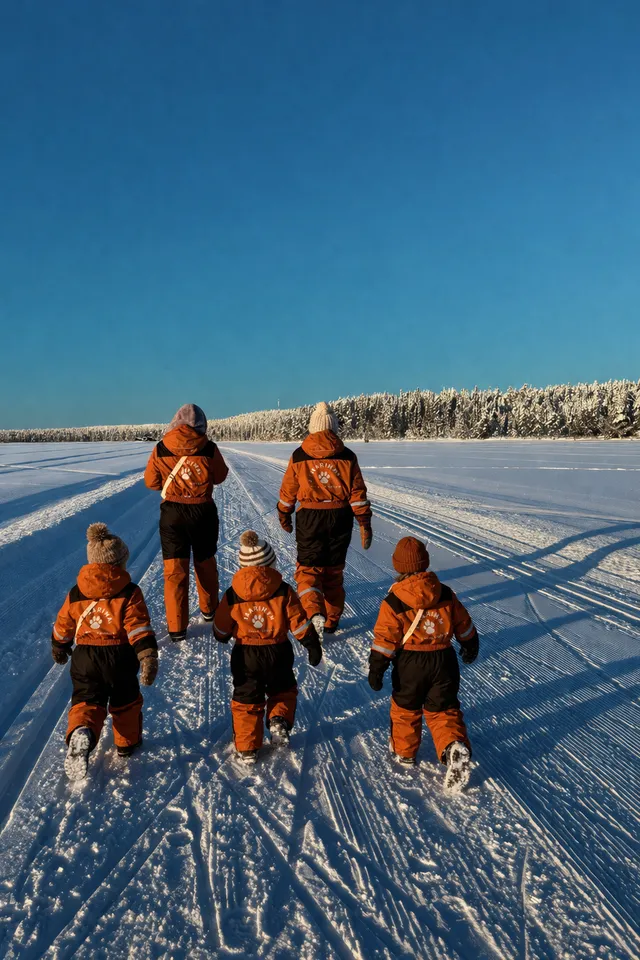
Husky rides, snowmobile safaris and reindeer visits often come with hot drinks and simple food, sometimes cooked over a fire in a wilderness hut. These are some of the loveliest moments of the whole trip, and they are also the meals furthest from a shop or a printed label, so settle them in advance. As you browse Lapland activities, ask each provider three things before you book: what food and drink will be served, how and where it is prepared, and whether your child can bring their own instead.
Prescribed medication comes along on every outing, however short, together with a copy of the allergy plan. Deep cold adds one practical wrinkle: medication should not be left to freeze in a bag on a sledge. Travellers who spend winters in Finland with adrenaline auto-injectors describe keeping them in an inside jacket pocket close to the body, or in an insulated pouch, and checking on them through the day. Follow the storage guidance supplied with your child's medication and ask your allergy team how best to protect it in severe cold. Our family packing list covers the rest of the winter kit.
Before you fly, run one last check:
- Trip discussed with your child's clinician or allergy team, and the written plan reviewed, copied and packed with the medication.
- All prescribed medication in date, in hand luggage, and carried with your child at all times once you land.
- Every allergy confirmed in writing with the accommodation and each activity provider, with the replies saved on your phone.
- Translated allergy cards prepared in English and Finnish.
- Familiar snacks packed for the journey and for excursion days, with your airline's rules on carrying food checked.
- An agreement between the adults about who carries the medication on each day out.
None of this makes any holiday risk-free, and no honest guide will promise you that. What early preparation and direct communication give you is fewer surprises: you will know how each meal works before you sit down, the people cooking for your child will know exactly what they are handling, and the plan and the medication will be with you if they are needed. That is what lets parents put the list away and enjoy the part that matters, watching a small person in a snowsuit meet a husky for the first time.
Frequently Asked Questions
Can Lapland restaurants cater for a child with a food allergy?
Many can, and Finland has a strong reputation among travellers who manage food allergies, helped by EU labelling rules and widespread coeliac awareness. Provision still varies kitchen by kitchen, so nothing replaces direct conversation: tell each restaurant in advance, verify every ingredient, ask how dishes are prepared and about cross-contact, and treat an honest no as useful information rather than a setback.How do we protect adrenaline auto-injectors in the Arctic cold?
Keep prescribed medication with your child at all times, including on excursions, and do not leave it to freeze in a bag or a cloakroom. Travellers in Finnish winters describe carrying auto-injectors in an inside pocket close to the body or in an insulated pouch and checking them during the day. Follow the storage guidance supplied with the medication and ask your child's clinician or allergy team for advice on severe cold.Will we be able to read food labels in Finland?
Packaged food in Finland follows EU rules: fourteen major allergens must be declared and are emphasised in the ingredients list in bold, italics or capitals, and 'may contain' statements appear on many products. Lists are usually printed in Finnish and Swedish rather than English, so carry translated allergy cards, use a translation app, verify every ingredient before your child eats, and contact the manufacturer if anything is unclear.Should we bring our child's food from home?
Bring a generous supply of snacks your child already eats, enough for flights, transfers and activity days, and check your airline's rules on carrying food before you pack. Finnish supermarkets stock many familiar European brands, but the same product can be made to a different recipe abroad, so read every label as if it were new. Speak directly with your accommodation about storage and how its kitchen can support day-to-day meals.Ready to Plan Your Lapland Adventure?
Family-first Lapland holidays at Torassieppi, Muonio — 3 and 4-night breaks from London Gatwick. Tell us about your family and we'll build your quote.
Send Enquiry